

Why Basement Water Issues Can Cost You Thousands
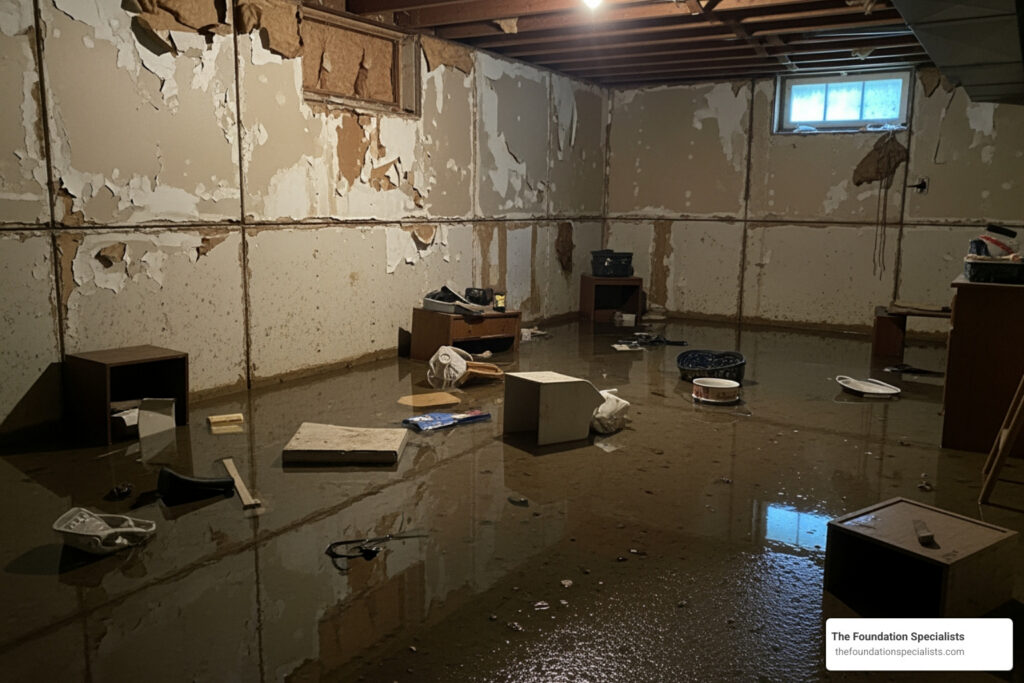
Basement water issues affect over half of all homes and can lead to damage costs exceeding $40,000 if left unchecked. Understanding the warning signs, causes, and solutions is critical to protecting your home’s foundation and your family’s health.
Quick Answer: Common Basement Water Issues and Solutions
- Musty odors or visible mold – Sign of moisture or water intrusion; requires source identification and remediation
- Cracks in walls or floors – Often caused by hydrostatic pressure or foundation settlement; needs professional assessment
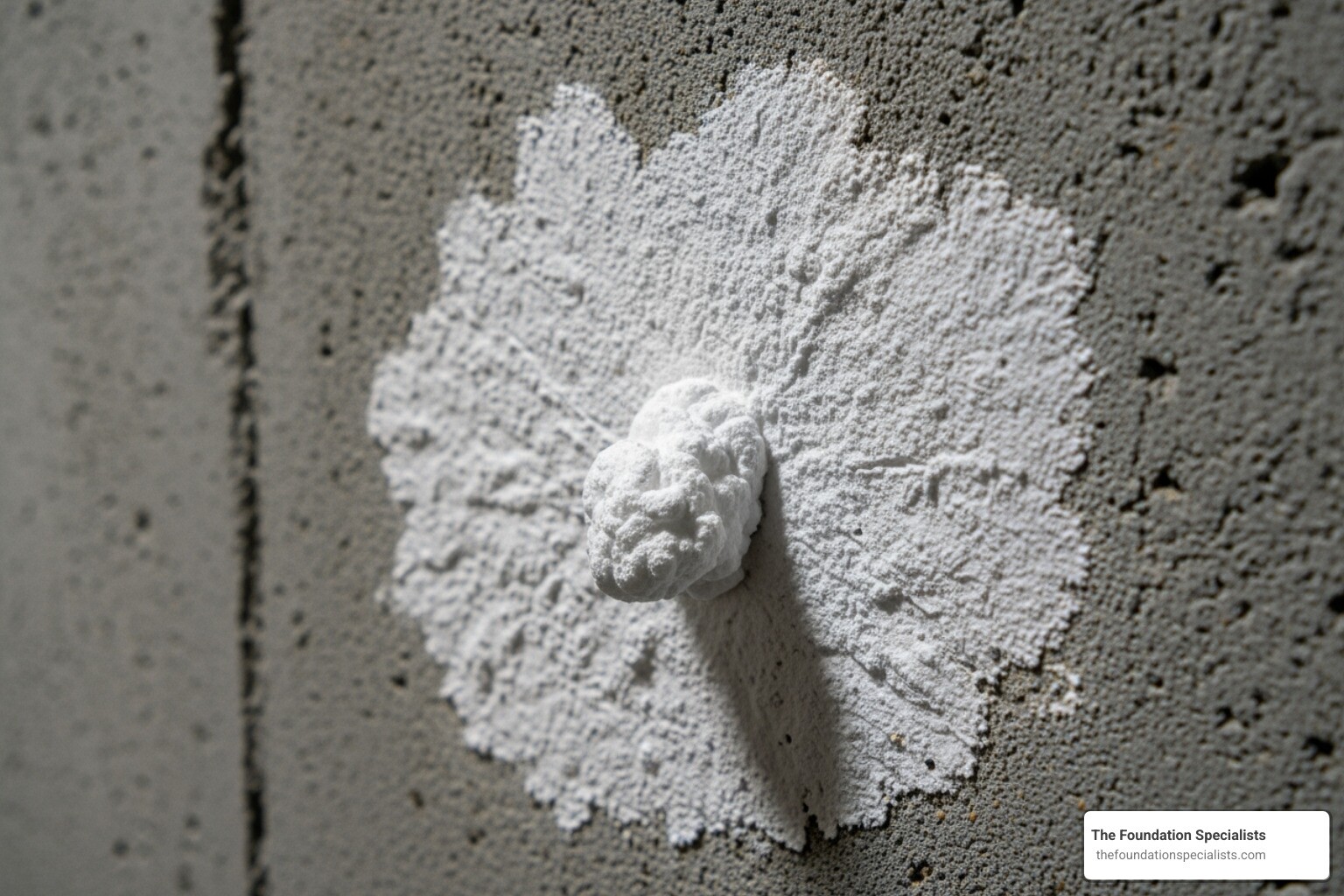
- Water stains or efflorescence – White chalky residue indicating water movement through concrete; check exterior drainage
- Flooded basement – Immediate safety concern; shut off power, remove water, and document damage for insurance
- Damp carpets or high humidity – Can indicate poor drainage, plumbing leaks, or inadequate ventilation
If you dread finding puddles or damp walls in your basement, you’re not alone. A survey by Health and Welfare Canada found that 38% of Canadian homes showed signs of excessive dampness or mold. Basements are particularly vulnerable because they sit below grade, surrounded by moist soil.
The good news? Most basement water problems are preventable. This guide will walk you through everything from spotting early warnings to implementing permanent solutions. Basement water issues can stem from poor drainage, clogged gutters, foundation cracks, hydrostatic pressure, or plumbing problems. Identifying the root cause is the first step.
Ignoring these issues can lead to more than property damage. Moisture creates a breeding ground for mold, which can trigger health problems, while water intrusion can compromise your foundation’s integrity, leading to expensive repairs.
I’m Dylan Morris, Marketing Director at The Foundation Specialists. I’ve spent years helping homeowners resolve basement water issues. This guide will equip you with the knowledge to protect your home and make informed decisions.
First Signs of Trouble: How to Spot a Water Problem
Often, basement water issues don’t start with a flood but with subtle clues. Identifying these early warning signs can save you thousands in repairs and prevent severe damage.
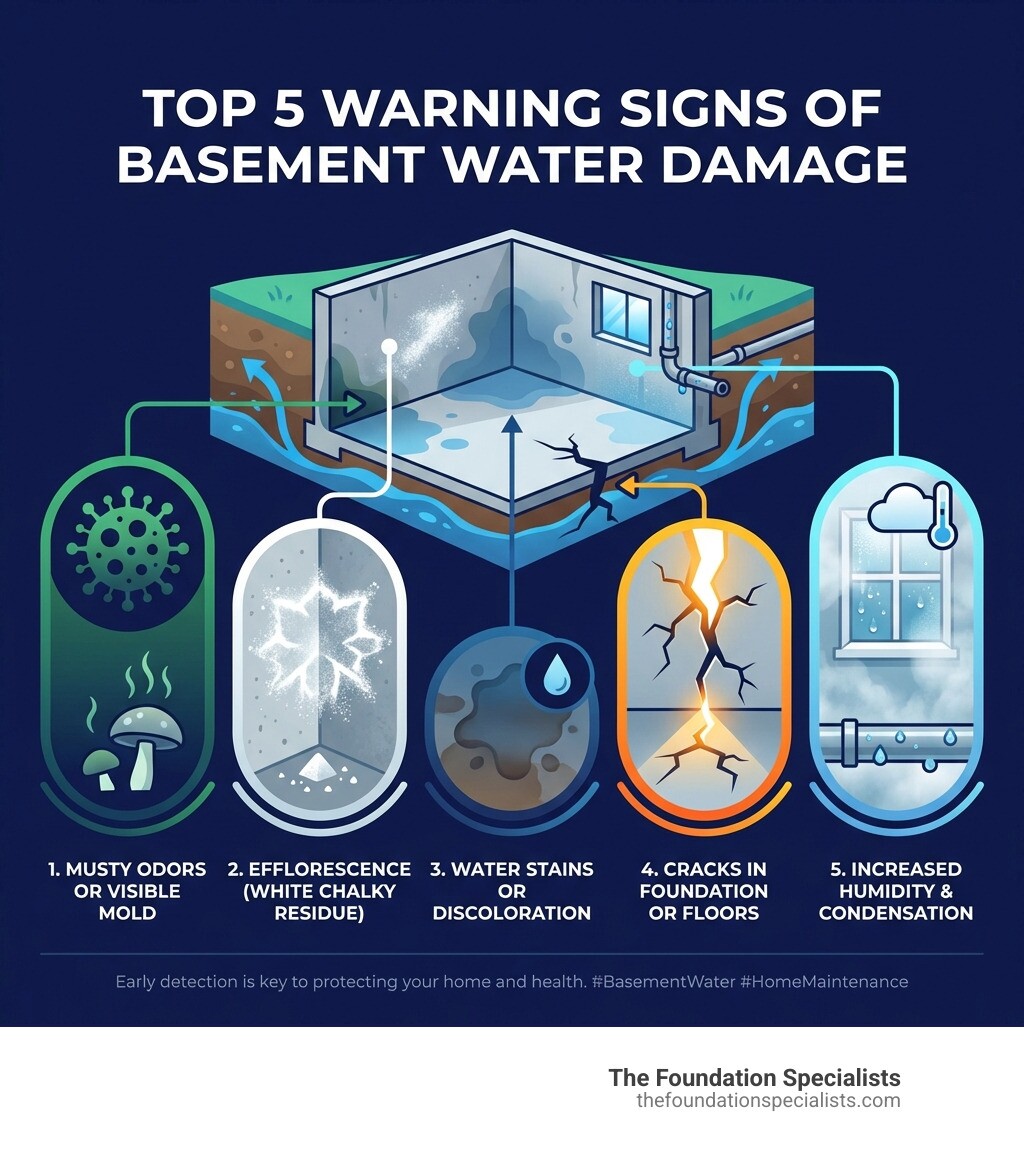
The most common signs of a basement water problem are:
- Musty Odors: This earthy smell is a primary indicator of mold or mildew thriving in damp conditions, even if it’s not yet visible.
- Visible Mold or Mildew: Green, black, or white patches on walls or floors indicate a more advanced moisture problem that can spread quickly.
- Peeling Paint: Bubbling, blistering, or peeling paint on basement walls is a strong sign that moisture is trapped within the wall.
- Efflorescence (White Chalky Residue): This whitish, powdery deposit on concrete or masonry is left by evaporating water, confirming that moisture is moving through the structure.
- Water Stains: Discoloration on walls, floors, or ceilings, especially after heavy rain, clearly points to where water has seeped in.
- Cracks in Walls or Floors: While not all cracks are problematic, those that are wet, damp, or show efflorescence are clear pathways for water.
- Warped or Buckled Paneling/Flooring: Water can cause materials like wood paneling, drywall, or laminate flooring to warp, buckle, or swell.
- Rust on Appliances or Fixtures: Rust on metal items like water heaters or furnaces indicates the basement environment is excessively damp.
- Damp Carpets or Flooring: A carpet that feels perpetually damp is direct evidence of moisture wicking up from the slab or coming in from the walls.
- Increased Humidity: A general feeling of dampness in the air or condensation on cold surfaces points to high humidity levels caused by moisture intrusion.
For more information on these signs, you can refer to resources like the University of Minnesota Extension’s guide on Moisture in basements: causes and solutions.
Common Signs of Interior Basement Water Issues
Some interior signs can be particularly telling about persistent basement water issues:
- Condensation on Pipes: While some “sweating” on cold water pipes is normal, excessive dripping indicates high overall humidity.
- Damp Spots on Walls: A wall that consistently feels cool and damp to the touch suggests moisture is seeping through.
- Fungus Growth (Dry Rot): This brownish-black fungus on wood is a byproduct of decay caused by moisture and can compromise structural integrity.
- Non-Obvious Signs:
- Increased Pest Activity: Pests like silverfish and centipedes are attracted to damp environments.
- Higher Energy Bills: Your HVAC system works harder to dehumidify damp air, increasing energy use.
- Musty Smell in Stored Items: If stored items develop a musty smell, they are absorbing moisture from the air.
Understanding the Root Causes of Basement Water Issues
To fix a water problem, we must understand its cause. Basement water issues often stem from a combination of factors related to how your home interacts with its environment.
Water issues come from two main sources:
- Surface Water: Water from rain or snowmelt that doesn’t drain away from your foundation properly.
- Groundwater: Water that naturally exists in the soil and can rise, pushing against your foundation. Learn more in articles like Groundwater In Your Basement Isn’t Good. Here’s What You Need to Know.
Let’s explore the specifics:
- Poor Exterior Drainage and Grading: If the ground slopes towards your foundation, water will collect against your basement walls. The soil should slope away from the foundation for at least six feet.
- Clogged or Defective Gutters and Downspouts: A faulty gutter system can dump thousands of gallons of water directly next to your foundation, saturating the soil.
- Foundation Cracks: These are direct pathways for water, caused by settling, soil pressure, or other factors. Even hairline cracks can let significant water in.
- Window Well Issues: If window wells lack proper drainage or are filled with debris, they can collect water that seeps into the basement.
- Plumbing Leaks: Leaking pipes, water heaters, or washing machine hoses can introduce large amounts of water into your basement.
- Condensation: High humidity can cause condensation when warm, moist air meets cool basement surfaces, creating a damp environment conducive to mold.
How Hydrostatic Pressure and Foundation Flaws Cause Leaks
Understanding hydrostatic pressure is crucial for many basement water issues.
Hydrostatic pressure is the force that water in saturated soil exerts against your basement walls and floor. When soil becomes saturated from rain or high groundwater levels, the pressure can force water through pores, cracks, and joints in the concrete foundation.
- Soil Expansion: Clay-rich soils, common in areas like Middle Tennessee, expand when wet and shrink when dry. This cycle puts immense stress on foundation walls, causing cracks.
- Capillary Action (Wicking): Concrete and masonry can wick moisture upward from saturated soil, much like a sponge. This leads to damp walls and floors without an obvious leak.
- Foundation Settlement Cracks: Uneven soil settlement can cause stress cracks in foundation walls and floors, creating prime entry points for water.
The Critical Role of Exterior Water Management
Managing water before it reaches your foundation is the most important step. Many basement water issues begin outside.
- Improper Grading: A yard that slopes toward your house is a major problem. Water must be directed away.
- Saturated Soil: Consistently saturated soil creates the conditions for hydrostatic pressure and wicking.
- Clogged Gutters and Downspouts: This is a critical but often overlooked issue. Ensure downspouts extend at least 10 feet from the house. For more prevention tips, the City of Toronto offers a guide on How to Prevent Basement Flooding.
- Misdirected Runoff: Water from neighboring properties or your own irrigation system can saturate the soil around your foundation.
- Landscaping Too Close to Foundation: Dense landscaping can trap moisture against the foundation, and roots can damage drainage systems.
Basement Flooded? Here’s Your Emergency Action Plan
Finding a flooded basement is stressful, but acting quickly and safely can minimize damage. Here’s what to do immediately:
- Safety First: Electrical Shock Risk: Water and electricity are a dangerous mix. If standing water is near outlets, the electrical panel, or submerged equipment, do not enter the water. Call your local power company immediately to shut off the power. For example, residents in our service areas might call Nashville Electric Service or Louisville Gas and Electric. The City of Toronto gives similar advice to Contact Toronto Hydro.
- Contaminated Water & Health Hazards: Floodwater, especially from a sewer backup, can contain harmful bacteria. Avoid direct contact and wear protective gear if you must enter.
- Shut Off Power: Once it’s safe, or if you are certain no electrical hazards exist, turn off the electricity to the basement at your main breaker.
- Identify the Source (if safe): For a plumbing leak, turn off the main water supply. If it’s groundwater, you’ll need to address external issues.
- Water Removal: Use a wet-dry vacuum for small amounts. For significant flooding, you may need a submersible pump. Call a professional restoration company for sewer backups.
- Documenting Damage: Before cleaning, take photos and videos of the water level and all damaged items for your insurance claim.
- Calling Insurance: Contact your home insurance agent as soon as possible. They will guide you through the claims process. You can use resources like Aviva’s Submit your property claim as a general guide, though specific policies vary.
Step-by-Step Cleanup and Safety Precautions
Once the water is removed, the cleanup begins.
- Personal Protective Equipment (PPE): Always wear rubber boots, waterproof gloves, and an N95 mask when dealing with floodwater.
- Removing Standing Water: Continue using a pump or wet-dry vacuum until all water is gone.
- Drying and Dehumidifying: This is critical to prevent mold. Open windows, use fans for air circulation, and run dehumidifiers to remove moisture from the air. Running a dehumidifier without fixing the water source can sometimes worsen certain issues.
- Mold Prevention: Mold can grow within 24-48 hours. Remove all wet, porous materials like carpets, drywall, and insulation immediately. Clean and disinfect all hard surfaces.
- Discarding Contaminated Items: Be prepared to throw away anything that was soaked and cannot be properly cleaned, especially porous items. Keep receipts for your insurance claim.
From Prevention to Permanent Fixes: Your Long-Term Strategy
After the immediate crisis, implement long-term solutions to prevent future basement water issues. Proactive measures are more cost-effective than reactive repairs.
Preparing for Heavy Rain and Spring Thaw
Heavy rainfall and spring thaws put immense pressure on your home’s defenses. The average cost of damage from basement seepage after snow melts can exceed $40,000.
- Spring Thaw & Heavy Rain Prep:
- Shovel snow away from your foundation.
- Ensure gutters and downspouts are clear of snow, ice, and debris.
- Regularly inspect your sump pump and consider a battery backup.
- Verify that the soil around your foundation still slopes away from the house.
- Seal any visible foundation cracks.
- Ensure your home’s weeping tiles (French drain) are clear and functional.
For visual guides on basement flooding prevention, you might find a series of videos helpful, which often cover these topics.
Long-Term Solutions for Chronic Basement Water Issues
For persistent problems, more robust solutions are needed.
- Interior Drainage Systems: Installed inside the basement, these systems collect water that seeps through walls or floors and channel it to a sump pump. This includes drain tile systems and moisture barriers.
- Exterior Drainage Systems: These involve excavating around the foundation to apply waterproofing membranes and install French drains. This is a highly effective, though more disruptive, method to divert groundwater.
- Sump Pump Installation: A sump pump is a critical part of any waterproofing system, collecting water and pumping it away from your home. We always recommend a battery backup for sump pumps for protection during power outages.
- Foundation Crack Repair: Sealing cracks is essential. Non-structural cracks can be filled with epoxy or polyurethane injections, while structural cracks require more extensive repairs.
- Sealing Windows and Walls: Ensure basement windows are properly sealed and have functional, well-drained window wells. Waterproof coatings on interior walls can help but are often temporary fixes without proper drainage.
The Difference Between Damp Proofing and Waterproofing
These terms are often confused but refer to different levels of protection against basement water issues.
| Feature | Damp Proofing | Waterproofing |
|---|---|---|
| Definition | A coating applied to prevent soil moisture from passing through. | A system designed to prevent both liquid water and water vapor from entering a structure. |
| Purpose | To resist soil moisture (capillary action). | To resist both soil moisture and hydrostatic pressure. |
| Application | Typically a spray-on asphalt-based coating. | Involves membranes (sheet or liquid-applied), often paired with drainage systems. |
| Effectiveness | Effective against capillary moisture. | Effective against capillary moisture and active water under pressure. |
| When Used | Often a minimum requirement for new construction. | Recommended for basements with high water tables or chronic water issues. |
| Building Codes | Often mandated by local building codes for below-grade walls. | May be required in specific conditions. Always check your local building codes in Tennessee, Alabama, Kentucky, and Indiana. The Ontario Building Code is one example of such regulations. |
In short, damp proofing is a coating that resists moisture wicking into concrete but won’t stop a leak. Waterproofing is a comprehensive system that uses a membrane and drainage to prevent water from entering under pressure. For a reliable, long-term solution to basement water issues, waterproofing with a proper drainage system is the recommended approach.
Calling in the Cavalry: When to Seek Professional Help
While some minor basement water issues are DIY-friendly, many require professional expertise. Knowing when to call for help can save you time, money, and stress.
You should consider professional help for:
- Widespread or Recurring Flooding: More than an inch of standing water is a job for a pro.
- Major Foundation Cracks: Large, widening, horizontal, or stair-stepped cracks require a foundation repair specialist.
- Bowing Walls: Visibly bowing walls indicate severe external pressure and a structural problem needing immediate attention.
- Persistent Moisture: If basic prevention fails to solve dampness, musty odors, or efflorescence, you need an expert diagnosis.
- Extensive Mold Growth: Widespread mold requires professional remediation to ensure it’s safely and completely removed.
- Unknown Water Source: If you can’t find the leak, a professional can conduct a thorough inspection to pinpoint the problem.
- Plumbing or Waterproofing Issues: Call a licensed plumber for burst pipes or a waterproofing specialist for foundation leaks and drainage systems. We at The Foundation Specialists have over 20 years of experience resolving such issues for homeowners across Middle Tennessee, Northern Alabama, Kentucky, and Indiana.
Navigating Insurance Claims and Professional Assessments
Dealing with basement water issues can be expensive, so understanding your insurance is important.
- Understand Your Policy: Most standard policies do not cover flooding or sewer backups unless you have specific endorsements like “overland water coverage” or “sewer backup coverage.” Review your policy and consider adding them.
- Document for a Claim: Immediately document all damage with photos and videos. Keep receipts for repairs and a list of all damaged items.
- Get Professional Quotes: Your insurance company may require multiple quotes. Always get detailed, written estimates from reputable contractors.
- Choose a Reputable Contractor: When selecting a contractor, look for companies with:
- Extensive experience (like our 20+ years).
- A strong local reputation and customer reviews.
- Proper licensing and insurance.
- Clear proposals and warranties.
- Expertise in basement water issues and foundation repair.
Conclusion: Reclaim Your Basement and Protect Your Investment
Basement water issues are a threat to your home’s structure, your family’s health, and your finances. Recognizing the signs and understanding the causes, from poor drainage to hydrostatic pressure, are your first lines of defense.
We’ve covered emergency actions for flooding and long-term strategies, like waterproofing, to keep your basement dry for good. The key takeaway is that proactive maintenance is crucial. Regularly inspecting your home and addressing small issues before they escalate can save you significant headaches and costs.
A dry basement reclaims valuable space, improves air quality, and protects your home’s value. If you’re facing persistent basement water issues, don’t hesitate. We at The Foundation Specialists are here to help. With over 20 years of trusted experience, professional execution, and exceptional customer service, we ensure client satisfaction across our service areas in Middle Tennessee, Northern Alabama, Kentucky, and Indiana.
Don’t let a wet basement pour cold water on your homeownership dreams. Take action today.