

Waterproofing Inside the Basement: A Complete Homeowner’s Guide
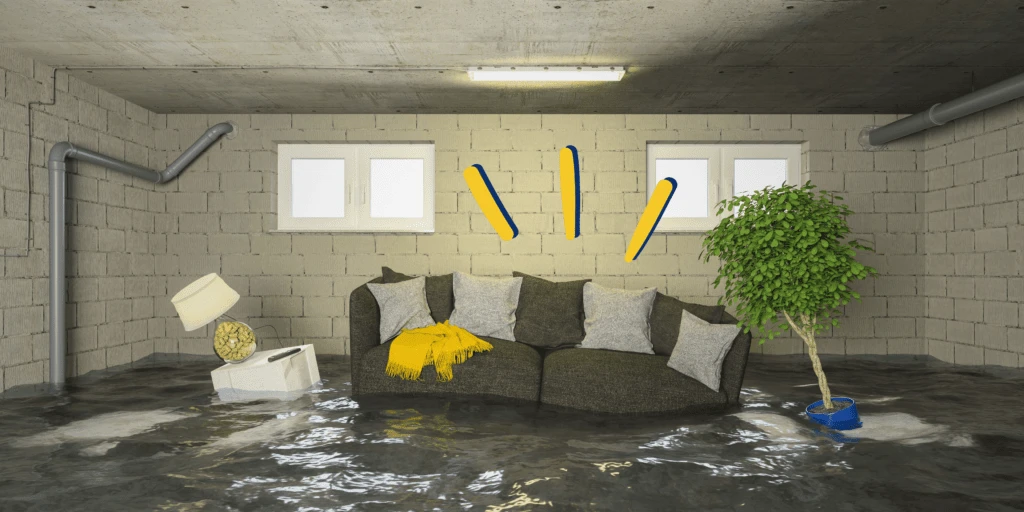
Water intrusion in a basement is more than just an inconvenience—it can threaten your home’s structure, indoor air quality, and long-term value. If you’ve noticed damp walls, musty odors, or standing water, it’s time to take action. Waterproofing inside the basement is one of the most effective ways to protect your home from moisture-related damage without the need for extensive exterior excavation. If you’re experiencing basement moisture issues, contact TFS- The Foundation Specialists today to schedule an inspection and protect your home before the problem worsens.
Why Basement Waterproofing Matters
Basements are naturally prone to water problems because they sit below ground level, where hydrostatic pressure from groundwater pushes moisture against foundation walls and floors. Even small cracks or porous concrete can allow water to seep inside over time.
Unaddressed moisture can lead to:
- Mold and mildew growth
- Structural damage to foundation walls
- Peeling paint and efflorescence
- Damage to flooring, drywall, and stored belongings
- Increased humidity throughout the home
Waterproofing inside the basement addresses these issues at their source, managing water once it enters or preventing it from spreading further.
Common Signs Your Basement Needs Waterproofing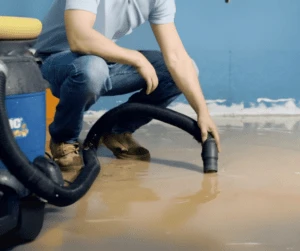
Many homeowners don’t realize they have a moisture problem until visible damage appears. Some warning signs include:
- Damp or wet basement walls
- Water is pooling near the foundation floor
- Musty or earthy odors
- Mold spots or discoloration
- Rust on metal fixtures or appliances
If any of these signs are present, interior waterproofing solutions may be necessary.
What Is Waterproofing Inside the Basement?
Waterproofing inside the basement involves systems and treatments installed on the interior side of the foundation to manage water intrusion. Unlike exterior waterproofing, which requires digging around the foundation, interior methods are typically less invasive and more cost-effective.
Interior waterproofing does not “stop” water from reaching the foundation walls; instead, it controls how water is collected, redirected, and removed safely from the home.
Interior Basement Waterproofing Methods
1. Sump Pump Installation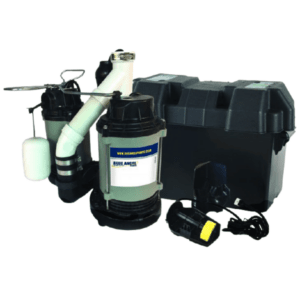
A sump pump is a critical component of waterproofing inside the basement. Installed in a sump pit at the lowest point of the basement, the pump collects water from drainage systems and pumps it away from the home’s foundation.
Modern sump pumps often include:
- Battery backups
- Alarm systems
- High-capacity pumps for heavy rainfall
These features ensure protection even during power outages or severe storms.
2. TFS Wall Encapsulation System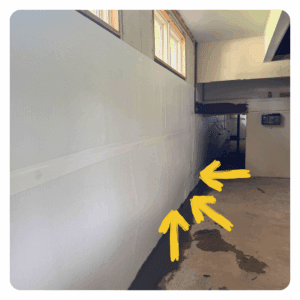
The TFS Wall Encapsulation System utilizes robust plastic or composite sheets applied to basement walls. These barriers effectively prevent moisture from evaporating into the basement air and channel water down into the drainage system.
This solution is particularly advantageous for basements that experience persistent dampness or show signs of wall seepage.
3. Dehumidification Systems
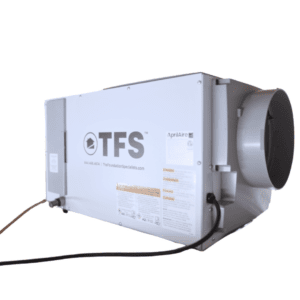 While dehumidifiers do not stop water intrusion, they play an important role in controlling humidity levels. Whole-basement dehumidification systems help prevent mold growth and improve indoor air quality once waterproofing measures are in place.
Benefits of Waterproofing Inside the Basement
Choosing interior waterproofing offers several advantages:
- Cost-effective: Less labor and excavation compared to exterior methods
- Year-round installation: Not dependent on weather conditions
- Minimal disruption: No damage to landscaping or driveways
- Improved indoor air quality: Reduced humidity and mold risk
- Increased home value: A dry basement is a strong selling point
For many homes, waterproofing inside the basement provides a dependable and long-lasting solution to moisture problems.
Long-Term Maintenance Tips
After waterproofing inside the basement, routine maintenance helps ensure continued protection:
- Test sump pumps regularly
- Monitor humidity levels
- Address new cracks promptly
- Keep gutters and downspouts clear
Preventative care extends the life of your waterproofing system and protects your investment.
Final Thoughts on Waterproofing Inside the Basement
A dry basement isn’t just about comfort—it’s about protecting your home’s foundation, air quality, and value. Waterproofing inside the basement offers an effective, minimally invasive solution for managing water intrusion and preventing costly damage. Whether you’re dealing with minor dampness or recurring flooding, the right interior waterproofing system can make a lasting difference. If you’re ready to safeguard your home, schedule a professional basement waterproofing consultation today with TFS and take the first step toward a healthier, drier living space.
For regular before & after stories and industry updates, follow us on Instagram and Facebook.