

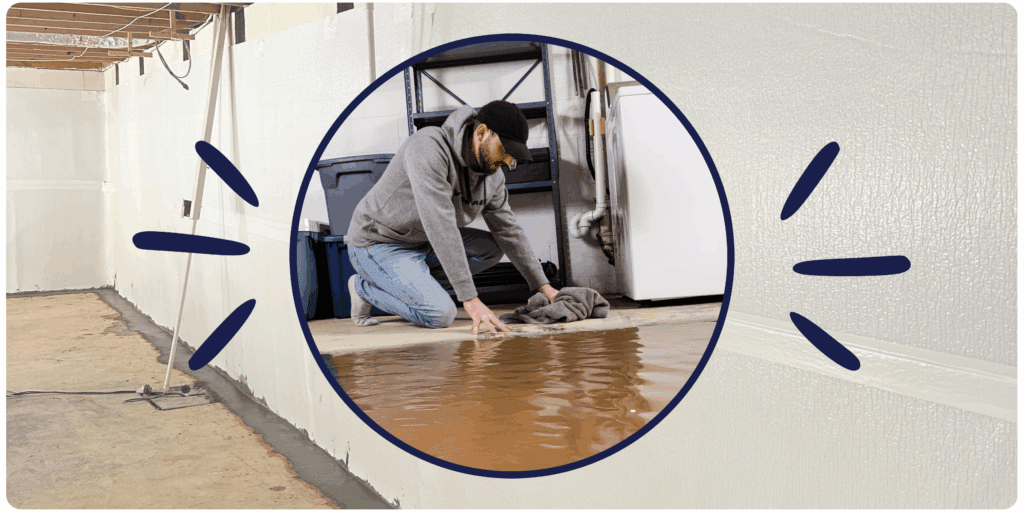
If you’re noticing damp basement walls, that unmistakable musty smell, water stains, or even puddles after a heavy rain, it’s a sign that moisture is pushing in through your foundation and compromising the health of your home. Beyond the mess, a wet basement can lead to mold growth, ruined belongings, warped framing, and lingering indoor air quality issues that spread upstairs. The good news is that waterproofing inside basement can be a highly effective way to control leaks and humidity without the disruption of major exterior excavation—when it’s designed correctly for your home. TFS – The Foundation Specialists can pinpoint where the water is coming from and recommend the right interior system to keep your basement dry and protected for the long haul. Contact TFS today for a professional basement evaluation and a clear plan to keep your space dry.
Basement Waterproofing Inside the Home: What Works (and What Doesn’t)
Basements are naturally prone to moisture problems. They sit below grade, surrounded by soil that holds water after rain, snowmelt, or irrigation. As that water builds up around your foundation, it creates pressure that pushes moisture through small cracks, porous concrete, joints, and penetrations. The result can be anything from faint dampness to standing water—plus secondary issues like mold growth, wood rot, and indoor air quality problems.
When homeowners search for waterproofing inside basement, they’re usually looking for a solution that doesn’t require excavation. The good news: interior systems can be extremely effective when they’re designed correctly and paired with the right moisture-control strategies.
Why Water Gets In (Even If You Don’t See a “Leak”)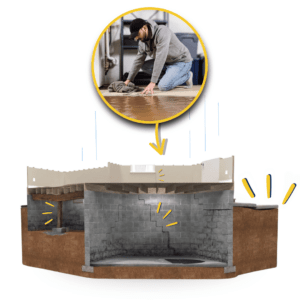
Water intrusion is often more complex than a single crack. Common causes include:
- Hydrostatic pressure: Water in the soil presses against the foundation walls and floor. Even tiny gaps can allow seepage.
- Capillary action: Concrete is porous. Moisture can wick through and show up as damp patches or efflorescence (white, chalky deposits).
- Cove joint seepage: The joint where the basement floor meets the wall is a frequent entry point.
- Window wells and penetrations: Basement windows, utility line entries, and poorly sealed penetrations can funnel water inside.
- Poor drainage outside: Short downspouts, negative grading, and clogged gutters can overload the soil next to your foundation.
Interior approaches address these pathways by controlling water after it enters—or by sealing and redirecting it so it can’t create damage.
Interior Waterproofing: The Proven Building Blocks
A reliable interior solution isn’t “one magic product.” It’s a system. Here are the components professionals consider when building an inside-basement plan.
1) Interior Drain Tile (Perimeter Drainage)
An interior perimeter drainage system (often called interior drain tile) is one of the most dependable methods for chronic seepage. Typically, a narrow strip of the slab is opened along the basement perimeter, a drain is installed, and water is directed to a sump basin.
Why it works:
- It relieves pressure by giving water a controlled path
- It captures seepage at the most common entry areas (like the cove joint)
- It provides a long-term strategy for basements that see recurring water
When homeowners ask about waterproofing inside basement, this is frequently the “workhorse” solution when there’s a pattern of water over time.
2) Sump Pump Systems (The “Engine” of the System)
If water is being collected by interior drains, a sump pump removes it. A well-designed sump setup often includes:
- A properly sized basin
- A primary pump matched to the home’s needs
- A check valve and discharge line that sends water well away from the foundation
- Optional battery backup or secondary pump for storms and power outages
A sump system is only as good as its discharge plan—dumping water near the foundation can recycle the problem.
3) Vapor Barriers and Dehumidification (Moisture Control)
Not all basement moisture is a “leak.” Some of it is humidity and vapor movement. Even a dry-looking basement can have elevated moisture that fuels musty odors and mold.
Smart upgrades can include:
- Sealing rim joists and penetrations to reduce humid air infiltration
- Vapor barriers on walls (when appropriate) to manage condensation
- A high-quality dehumidifier set to maintain healthy humidity levels
This is where many DIY attempts at waterproofing inside basement fall short: they focus on visible water but ignore the moisture load in the air.
What to Avoid: Common “Quick Fixes” That Disappoint
Some approaches can look great for a few weeks and then fail when the next heavy rain hits.
- Waterproof paint alone: Coatings can peel when pressure pushes moisture from behind the wall. They’re not a drainage strategy.
- Patching without addressing drainage: Sealing one crack doesn’t help if water pressure simply finds another path.
- Improper interior wall coverings: Finishing materials installed over damp walls can trap moisture and create hidden mold.
The goal isn’t just to make the basement look dry—it’s to keep it dry reliably through seasons and storms.
How Pros Diagnose the Right Interior Solution
At TFS – The Foundation Specialists, the right interior plan starts with identifying the source and behavior of the moisture:
- Where does water appear—cracks, corners, the cove joint, around windows?
- Does it happen only during heavy rains or even in dry periods?
- Are there signs like efflorescence, staining, warped trim, or musty smells?
- What’s happening outside: gutters, grading, downspouts, and drainage patterns?
A knowledgeable evaluation prevents overspending on unnecessary work and avoids “band-aid” repairs.
The Payoff: What a Dry Basement Gives You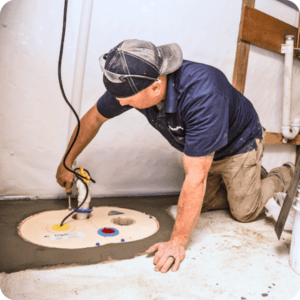
Effective interior waterproofing can deliver:
- Better indoor air quality and fewer musty odors
- Lower risk of mold and allergen growth
- Protection for framing, drywall, flooring, and stored belongings
- More usable square footage for living space, storage, or a home gym
- Reduced long-term foundation and moisture-related repair costs
When done correctly, waterproofing inside the basement is less about fighting water and more about controlling it with a system that matches your home.
Start with the Right Plan
Basement water problems rarely improve on their own. Whether you’re dealing with a single crack, damp walls, or repeated seepage after storms, the best results come from diagnosing the cause and installing a solution that handles both water and humidity.
Ready to take control of your basement for good? Contact TFS – The Foundation Specialists today to schedule an inspection and get a customized interior waterproofing plan—so you can protect your foundation, your air quality, and your peace of mind.
For regular tips and industry updates, follow us on Instagram and Facebook.