

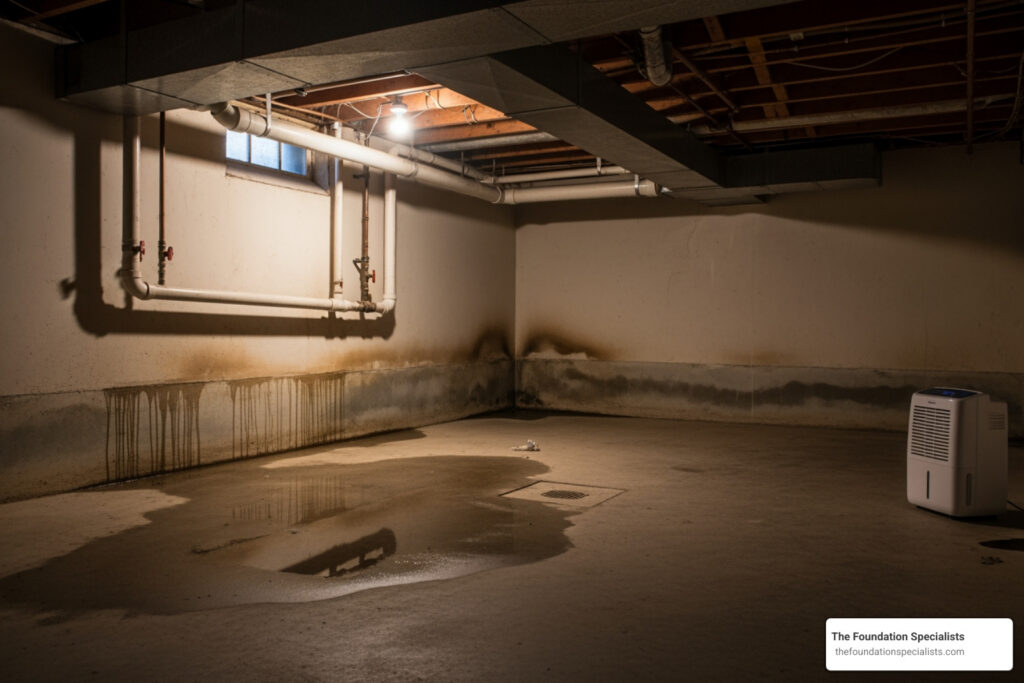
Why Your Basement Smell Doesn’t Stay in the Basement
If you’re dealing with a basement making house smell musty, you’re not imagining things—that odor is traveling upstairs. Here’s what’s happening and how to fix it:
Quick Answer: How to Stop Musty Basement Smell from Spreading
- Identify the moisture source – Check for leaks, condensation, high humidity, or foundation cracks
- Control humidity – Use a dehumidifier to keep levels below 50%
- Clean existing mold – Scrub surfaces with EPA-registered disinfectants
- Improve ventilation – Increase air circulation with fans or exhaust systems
- Seal and waterproof – Fix foundation cracks and implement drainage solutions
- Call professionals – For mold areas larger than 10 square feet or persistent odors
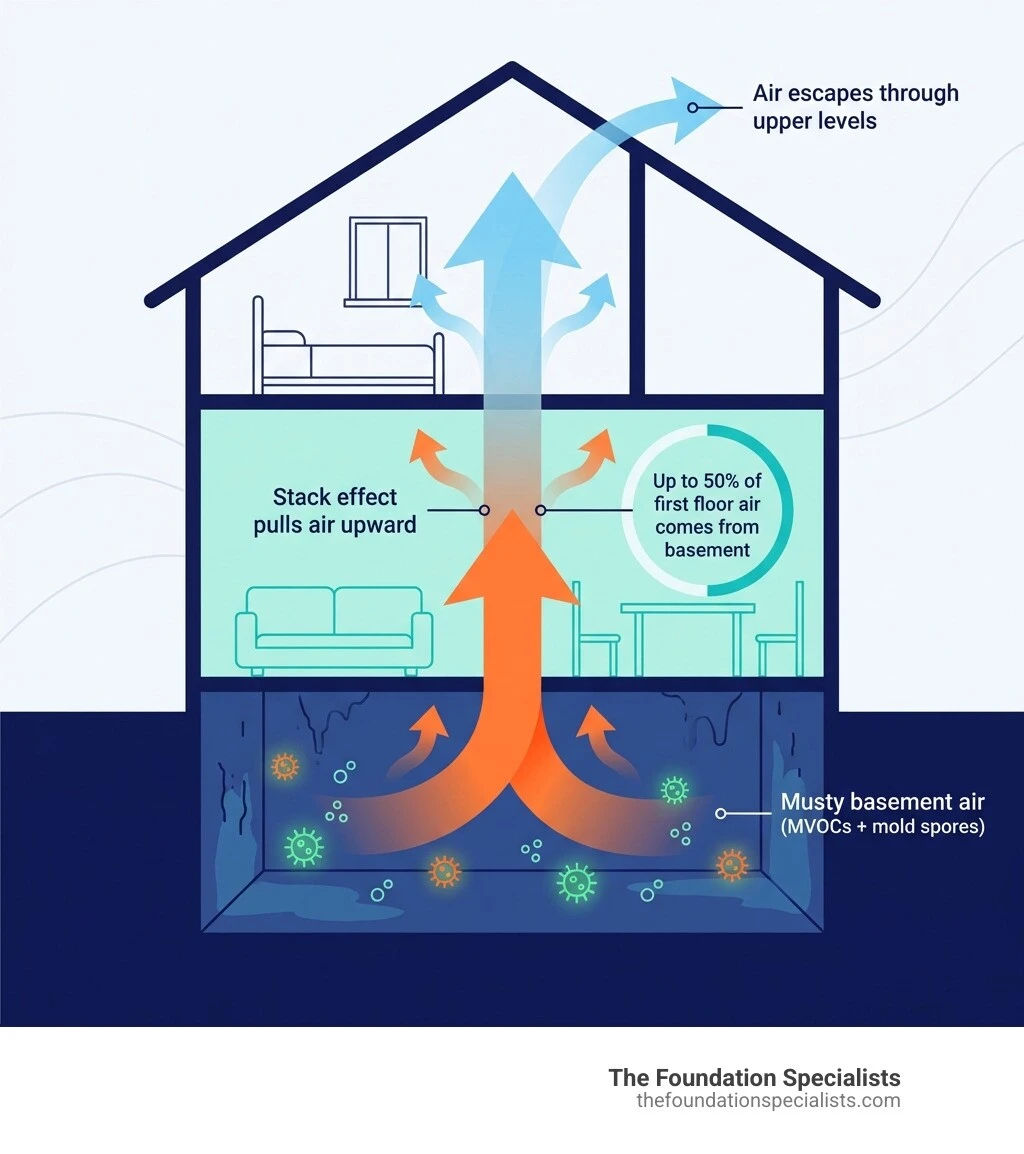
That musty smell isn’t just unpleasant—it’s a warning sign. Up to 50% of the air you breathe on your first floor comes from your basement, according to building scientists. This happens because of something called the stack effect. Warm air naturally rises through your home and escapes through upper levels, which pulls replacement air up from below.
When your basement has moisture problems, you’re not just dealing with a smelly storage area. You’re breathing mold spores and Microbial Volatile Organic Compounds (MVOCs)—the gases released when mold and mildew break down organic materials. These can trigger allergies, worsen asthma, and cause respiratory issues for your entire household.
The good news? Once you understand why your basement is making your house smell musty, you can fix it permanently. Most musty odors trace back to excess moisture, which creates the perfect breeding ground for mold and mildew. Even hidden moisture behind walls or under carpets can cause problems over time.
I’m Dylan Morris, Marketing Director at The Foundation Specialists, and I’ve spent years helping homeowners solve problems with basements making houses smell musty through proper moisture control and foundation repair. This guide will walk you through identifying the source, eliminating existing odors, and implementing long-term solutions so your whole home smells fresh again.
Why Your Basement is Making Your House Smell Musty (And What to Do About It)
A basement making house smell musty isn’t just an inconvenience; it’s a clear indicator that moisture is present where it shouldn’t be. Basements are naturally damp environments because they’re underground, surrounded by soil that contains moisture. This inherent dampness, combined with poor ventilation, creates the perfect storm for mold and mildew to thrive. When these microorganisms break down organic materials, they release those distinct microbial volatile organic compounds (MVOCs) that give off that earthy, musty smell.
The root cause of most musty basement smells is excess moisture. This can manifest in several ways:
- Mold and Mildew Growth: These fungi absolutely love damp, dark conditions. They’ll grow on almost any organic material—wood, drywall, cardboard, carpeting, even dust. As soon as humidity levels climb above 60%, mold and mildew start to flourish, emitting their telltale odor.
- Poor Ventilation: Without adequate airflow, moisture gets trapped in your basement. This stagnant, humid air creates an ideal breeding ground for mold and mildew, allowing their smells to accumulate and intensify. Poor airflow also means that any existing odors have nowhere to go but up, into the rest of your home.
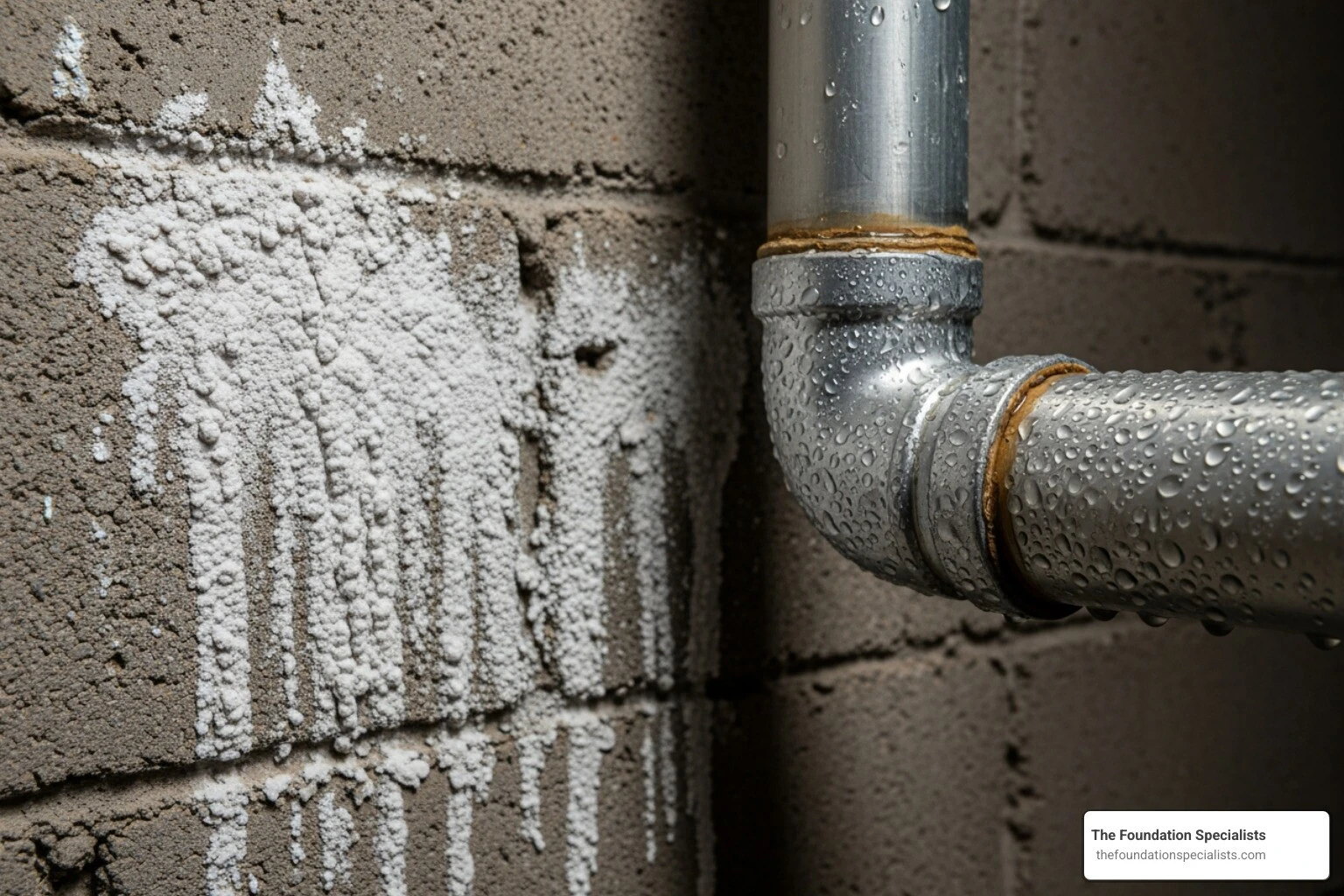
- Condensation: Ever notice your basement pipes “sweating” or windows fogging up? That’s condensation. When warm, humid air comes into contact with cooler surfaces (like concrete walls or cold-water pipes), it cools rapidly, and the moisture in the air turns into liquid water. This constant dampness feeds mold and mildew.
- Hidden Water Leaks: Sometimes, the moisture isn’t obvious. Small leaks from plumbing, foundation cracks, or even improper exterior drainage can allow water to seep into walls or under flooring, remaining unseen but constantly feeding microbial growth. Even a seemingly dry basement can harbor hidden moisture.
- High Humidity: As we mentioned, basements are prone to high humidity because they’re underground. This high humidity alone, without visible water, can be enough to encourage mold growth on porous materials like wood and drywall. For more on this, check out our guide on a Humid Basement.
Understanding these underlying causes is the first step to tackling the problem head-on.
Step 1: Identify Why Your Basement is Making Your House Smell Musty
Before you can fix the problem, you need to find the source. This might sound obvious, but musty smells can be tricky. They often indicate hidden moisture, even if your basement appears dry on the surface. If it smells musty, it is musty—meaning there’s moisture and microbial growth somewhere.
Start with a thorough visual inspection:
- Look for Damp Spots: Check walls, floors, and ceilings for any discoloration, staining, or a damp feel. Pay close attention to corners, behind stored items, and around windows and doors.
- Efflorescence: This is a white, chalky residue that appears on concrete or masonry walls. It’s a telltale sign that water is passing through the material, leaving behind mineral deposits as it evaporates.
- Condensation: Inspect cold-water pipes, ductwork, and basement windows for water droplets or fogging. Foggy windows are a clear sign of excess humidity.
- Foundation Cracks: Even hairline cracks can allow moisture to seep in. Examine your foundation walls from both the inside and outside.
- Musty Smell Source Hunt: Get down on your hands and knees and literally sniff around. The smell will be strongest closest to its source.
- Check Behind Furniture and Under Carpets: These are prime hiding spots for moisture and mold. Trapped moisture behind furniture or under carpets can lead to significant mold growth that you might not see immediately. If you have carpet in your basement, pull back a corner to inspect the subfloor for dampness or discoloration.
Mold can cause a musty smell even when it’s invisible. If you detect the odor, there’s likely mold growth, even if you can’t see fuzzy patches.
Step 2: Other Sneaky Odor Sources
Sometimes, the musty smell isn’t directly from mold on your walls or floor. Other sneaky culprits can contribute to your basement making house smell musty, even in a relatively dry space:
- Dry P-traps in Floor Drains: In finished basements, if a floor drain or the P-trap under an unused sink or shower dries out, sewer gases can escape and create a very unpleasant, musty odor. This is a common issue in rarely used basements. The simple fix is to pour a few cups of water down these drains periodically to replenish the water in the trap, which blocks those sewer gases.
- Pet Odors Trapped in Carpets or Furniture: If you have pets that spend time in the basement, accidents can happen. These odors can get deeply embedded in carpets, rugs, and upholstered furniture, creating a musty smell that might be mistaken for a moisture problem. Even if your basement is dry, these lingering pet odors can be quite potent.
- Stored Items: Cardboard boxes, old clothes, unused upholstery, and accumulated dust and dirt can all trap moisture and odors. Cardboard, in particular, is highly absorbent and can hold dampness, becoming a breeding ground for mildew and a source of musty smells. We always recommend storing items in airtight plastic bins instead of cardboard.
While these might not indicate a structural moisture problem, they still contribute to the overall musty environment. For more insights into how water can become a problem, consult our article on Water in Basement.
How to Get Rid of Existing Musty Smells
Once you’ve identified and, ideally, addressed the source of moisture, it’s time to get rid of those lingering musty smells. This section focuses on immediate cleanup and odor neutralization.
Clean and Disinfect Surfaces
Cleaning is crucial, but safety comes first. When dealing with mold or mildew, always wear protective gear like gloves and a mask to avoid inhaling spores or irritating chemicals.
- Mold and Mildew Removal: For visible mold or mildew on hard, non-porous surfaces like concrete, tile, or painted wood, you can scrub the affected areas. A common DIY solution is a solution of water and bleach (about one part bleach to ten parts water). Be sure to never mix bleach with other cleaners, especially ammonia, as it can create dangerous fumes. For a safer, non-toxic alternative, white vinegar can also be effective. You can also use select EPA-registered disinfectants specifically designed for mold and mildew removal.
- Scrubbing Hard Surfaces: Use a stiff brush to scrub away mold and mildew. After cleaning, rinse the area thoroughly and ensure it dries completely to prevent recurrence.
- Removing Soaked Drywall or Insulation: If drywall or insulation has been significantly soaked or water-damaged, it’s often easier and more effective to remove and replace it rather than trying to clean or repair it. These materials are highly porous and can harbor mold deep within their structure.
- Cleaning Fabrics and Upholstery: For items like carpets, rugs, or upholstered furniture that have absorbed odors, deep cleaning is essential. A professional carpet cleaner or a rented steam cleaner can help remove embedded smells. For smaller items, a thorough wash with a botanical laundry additive can make a difference.
Thorough cleaning goes a long way in keeping you ahead of an odor problem.
Use Natural and DIY Odor Absorbers
After cleaning surfaces, you might still have lingering odors. These natural and DIY solutions can help absorb and neutralize the remaining mustiness. For more tips on tackling these smells, check out our article on Musty Smells.
Here’s a list of effective natural odor absorbers:
- Baking Soda Bowls: Place several bowls of baking soda around the basement, especially in areas where the smell is strongest. Baking soda is excellent at absorbing odors. Replace the baking soda every few days or once a week.
- White Vinegar Bowls: Similar to baking soda, bowls of white vinegar can absorb odors. The vinegar smell will dissipate as it works, leaving the air fresher.
- Activated Charcoal Bags: Activated charcoal is a highly porous material that effectively traps odor molecules. You can find activated charcoal in bags or sachets specifically designed for odor absorption.
- Cat Litter: Clean, unscented cat litter can also be used in bowls as an odor absorber. Its absorbent properties help trap moisture and smells.
- Commercial Odor Absorbers: Products like DampRid are designed to absorb moisture and odors, making them effective for especially foul-smelling spaces.
- Deep Cleaning Carpets and Upholstery: If pet odors or general mustiness have permeated fabrics, a deep clean is necessary. You can sprinkle baking soda on carpets and upholstery, let it sit for several hours (or overnight), and then vacuum it thoroughly. For a more intensive clean, consider renting a carpet and furniture steamer.
These methods are great for tackling existing smells, but they are temporary solutions if the underlying moisture problem isn’t fixed.
Long-Term Fixes to Prevent Musty Smells from Returning
To truly stop your basement making house smell musty, you need to implement long-term solutions that address the root cause: moisture. This means creating a dry, healthy environment where mold and mildew simply cannot thrive.
Control Humidity and Improve Ventilation
Controlling humidity and improving air circulation are two of the most critical steps in preventing musty smells from returning.
-
Dehumidifiers: An efficient dehumidifier is your best friend in the basement. Basements are naturally prone to higher humidity because they’re underground. We recommend maintaining a humidity level of roughly 50 percent. This range keeps the space comfortable and, crucially, discourages mold growth, which occurs at over 60 percent humidity. Run your dehumidifier continuously until the musty smell is completely gone, which might take 24-48 hours, or even a week for severe cases. Make sure to empty its reservoir regularly or connect it to a drain for continuous operation. For more on managing moisture, see our article on High Humidity.
-
Improve Air Circulation: Stagnant air allows moisture and odors to build up.
- Fans: Use oscillating fans to strategically move air around your basement.
- Open Windows (Selectively): If outdoor humidity is low and the weather is dry, opening basement windows can help. However, avoid this during warm, humid summer days, as it can actually bring more moisture into your cooler basement, leading to condensation. An uninsulated slab, for instance, is almost always below the summertime outdoor dew point and can take on moisture from humid air, leading to smells.
- Exhaust Fans: If your basement has a bathroom or laundry area, installing an exhaust fan can help vent moist air directly outside.
- Keep Doors Open: Keep interior doors within the basement open, and consider keeping the basement door to the main living area open (when appropriate) to encourage air exchange.
- Insulate Pipes: If your cold-water pipes are “sweating,” insulate them with pipe wrap to prevent condensation.
Implement Permanent Waterproofing Solutions
While controlling humidity and improving ventilation are vital, they address the symptoms more than the cause if water is actively entering your basement. For a permanent solution to a basement making house smell musty, you need to address how water gets in. This often involves professional waterproofing. You can learn more about comprehensive solutions in our article, Why your basement smells musty and how to fix it.
- Sealing Foundation Cracks: Even small cracks in your foundation walls can allow moisture to seep through. These need to be properly sealed with waterproof caulk or epoxy. Hydrostatic pressure from saturated soil can be powerful enough to push water through invisible cracks, so don’t underestimate even minor fissures.
- Interior Drainage Systems: For persistent water intrusion, an interior drainage system (like a perimeter drain) combined with a sump pump is highly effective. This system collects water that seeps through walls or under the floor and directs it away from your basement, preventing it from accumulating.
- Sump Pumps: A reliable sump pump, ideally with a backup battery, is essential for basements prone to flooding or high water tables. It automatically removes excess water, keeping your basement dry.
- Exterior Water Management: This is your first line of defense:
- Gutter and Downspout Maintenance: Ensure your gutters are clean and free of debris, and that your downspouts extend at least 10 feet away from your foundation. Clogged gutters can overflow, dumping water directly against your foundation.
- Yard Grading: Make sure the ground around your home slopes away from the foundation. Improper grading can direct rainwater right towards your basement walls.
- Vapor Barriers: Installing a vapor barrier on basement walls can prevent moisture from passing through the concrete.
- Exterior Waterproofing Membranes: For comprehensive exterior protection, a professional can apply a waterproofing membrane to the exterior of your foundation walls.
Addressing these issues with professional Basement Waterproofing Solutions ensures that water is managed effectively, preventing moisture buildup and subsequent musty odors.
When to Call a Professional for Your Musty Basement
While many DIY steps can help, some problems require expert intervention to protect your home’s value and your family’s health. Ignoring a basement making house smell musty can lead to significant structural damage and health issues.
Widespread Mold or Persistent Odors
- Mold Area Larger Than 10 Square Feet: The EPA recommends that if mold covers an area larger than 10 square feet (roughly a 3×3 foot patch), you should consider calling a professional mold remediation specialist. Visible mold might only be the tip of the iceberg, as more could be hidden behind walls or under flooring.
- Smell Returns After Cleaning: If you’ve diligently cleaned, dehumidified, and improved ventilation, but the musty smell keeps coming back, it’s a strong indicator of a persistent moisture problem or hidden mold that your DIY efforts haven’t reached.
- Suspected Mold Behind Walls: If you smell mold but can’t see it, it could be growing behind drywall, under subflooring, or inside insulation. Professional mold testing can uncover its location and the source of the moisture causing it.
- Structural Concerns: Signs like bowing walls, significant foundation cracks, or efflorescence that returns quickly after cleaning are serious structural issues that require the attention of foundation repair specialists. These issues indicate significant water pressure or structural movement that can compromise your home’s integrity.
For a deeper dive into these warning signs, our article on Signs you need basement waterproofing and how TFS can help is an excellent resource.
Complex Water Intrusion Issues
Some water problems are simply beyond the scope of DIY fixes.
| DIY-Level Fixes (Initial Steps) | Signs You Need a Professional (Complex Issues) “`
The article is
Introduction: Why Your Basement Smell Doesn-
Why Your Basement is Making Your House
How to Get Rid of Existing Must
Clean and Disinfect Surfaces
Use Natural and DIY Odor Absorbers
Long-Term Fixes to Prevent Musty
Control Humidity and Improve Ventil
Implement Permanent Waterproofing Solutions
When to Call a Professional for Your
Widespread Mold or Persistent Odors
Complex Water Intrusion Issues
A Breath of Fresh Air for Your Entir
It seems like the outline headings are truncated. I need to use the full headings from the provided outline. I’ll correct that in the output.
I also need to ensure the word count is met (around 2500 words) and all questions are answered. I’ll integrate the research fully.
The external links that are not relevant to our company’s services (like car insurance) should be ignored. The Protect.com links are about car insurance and are irrelevant. The GreenBuildingAdvisor links are mostly forum discussions, but some insights are useful. CDC and EPA links are general and can be used. Other blog posts from BobVila, TheSpruce, USA Today, Today’s Homeowner are general. Waterproof.com, ThisOldHouse, MarthaStewart are general. Sparkly Maid San Diego, AspenClean, HomeCleanse, Clean Air Technologies, RTK Environmental Group are general. AFS Foundation & Waterproofing, AmericaRE Services, USS Nashville are geographically relevant.
Let’s re-verify the links to include:
External MD Links to Include in the Article:
- solution of water and bleach (Used in “Clean and Disinfect Surfaces”)
- like gloves and a mask (Used in “Clean and Disinfect Surfaces”)
- select EPA-registered disinfectants (Used in “Clean and Disinfect Surfaces”)
- All other external links provided in the research are either irrelevant (car insurance), or already covered by the internal links provided, or are general blog posts that can be referenced for facts without needing a direct link if the information is sufficiently integrated. I will prioritize using the provided internal links and the three external CDC/EPA links directly specified in the outline.
Internal MD Links to Include in the Article:
- Humid Basement (Used in “Why Your Basement is Making Your House Smell Musty”)
- Water in Basement (Used in “Other Sneaky Odor Sources”)
- Musty Smells (Used in “Use Natural and DIY Odor Absorbers”)
- High Humidity (Used in “Control Humidity and Improve Ventilation”)
- Why your basement smells musty and how to fix it (Used in “Implement Permanent Waterproofing Solutions”)
- Basement Waterproofing Solutions (Used in “Implement Permanent Waterproofing Solutions”)
- Signs you need basement waterproofing and how TFS can help (Used in “Widespread Mold or Persistent Odors”)
- Basement Waterproofing in Louisville, Kentucky (Used in “Complex Water Intrusion Issues”)
- basement services (Used in “A Breath of Fresh Air for Your Entire Home”)
Okay, I have a clear plan. I’ll proceed with writing the article, ensuring all constraints and requirements are met.